Khudiram Bose and Tilak's trial
Muzaffarpur, Bihar
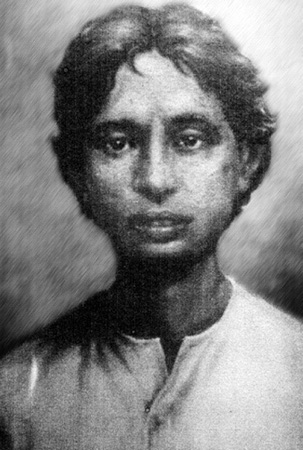
A bomb meant for a magistrate kills two Englishwomen at Muzaffarpur; Khudiram Bose is hanged, and Tilak is sent to Mandalay for his articles on it.
On the evening of 30 April 1908 Khudiram Bose, aged 18, and Prafulla Chaki threw a bomb at a carriage leaving the European club at Muzaffarpur, believing it carried Douglas Kingsford, a former Calcutta magistrate known for harsh sentences on Swadeshi workers. It carried Mrs Kennedy and her daughter, who were killed. Chaki shot himself when cornered at Mokama; Khudiram was hanged at Muzaffarpur on 11 August. The police raids that followed found the bomb workshop in a garden at Maniktala in Calcutta and led to the Alipore bomb trial, in which Aurobindo Ghose was acquitted and his brother Barindra's death sentence was commuted to transportation for life.
In Poona, Tilak's Kesari wrote that the bomb was the fruit of repression. He was arrested on 24 June, defended himself at his trial for sedition in the Bombay High Court, and on 22 July was sentenced to six years' transportation, which he served in Mandalay jail in Burma until 1914, writing his commentary on the Gita there. Bombay's mill workers struck for six days in protest, a strike Lenin hailed from Europe.
Khudiram became a Bengali folk hero within months, celebrated in songs such as "Ekbar biday de Ma". To the government the episode proved that Swadeshi had produced a revolutionary underground, and much of the Rowlatt report of 1918 is a history of it.
- political
- colonial