The Permanent Settlement
Calcutta, Bengal
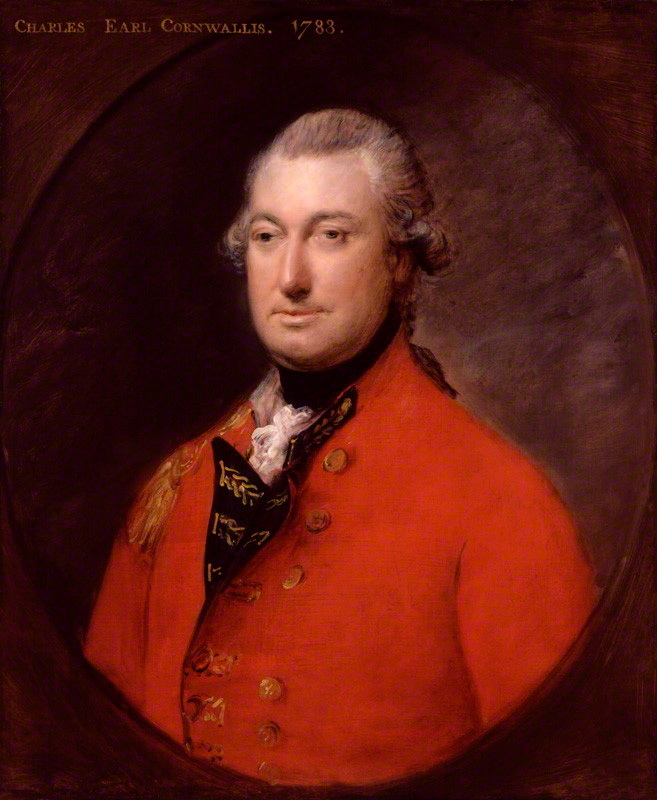
Cornwallis fixes Bengal's land revenue in perpetuity and makes the zamindars owners of the land, whose estates are sold if they fall behind.
Proclaimed on 22 March 1793 and enacted as Regulation I of that year, the settlement fixed the land revenue of Bengal, Bihar and Orissa for ever at the level of the decennial assessment of 1789-90, and recognised the zamindars who paid it as proprietors of the soil. An estate that missed a payment could be auctioned, and in the next two decades a large share of the old zamindaris changed hands.
The Company wanted a predictable revenue and a loyal landed class, and got both, at the expense of the cultivators, whose rights the settlement barely defined. Later British provinces chose differently: Madras and Bombay mostly settled directly with peasants under the ryotwari system, and the north-west with village communities.
Whether the settlement helped or held back Bengal's agriculture has been argued since the Fifth Report of 1812. Ranajit Guha traced its ideas to Philip Francis and the French physiocrats.
- colonial
- political