Quit India
August Kranti Maidan (Gowalia Tank), Bombay
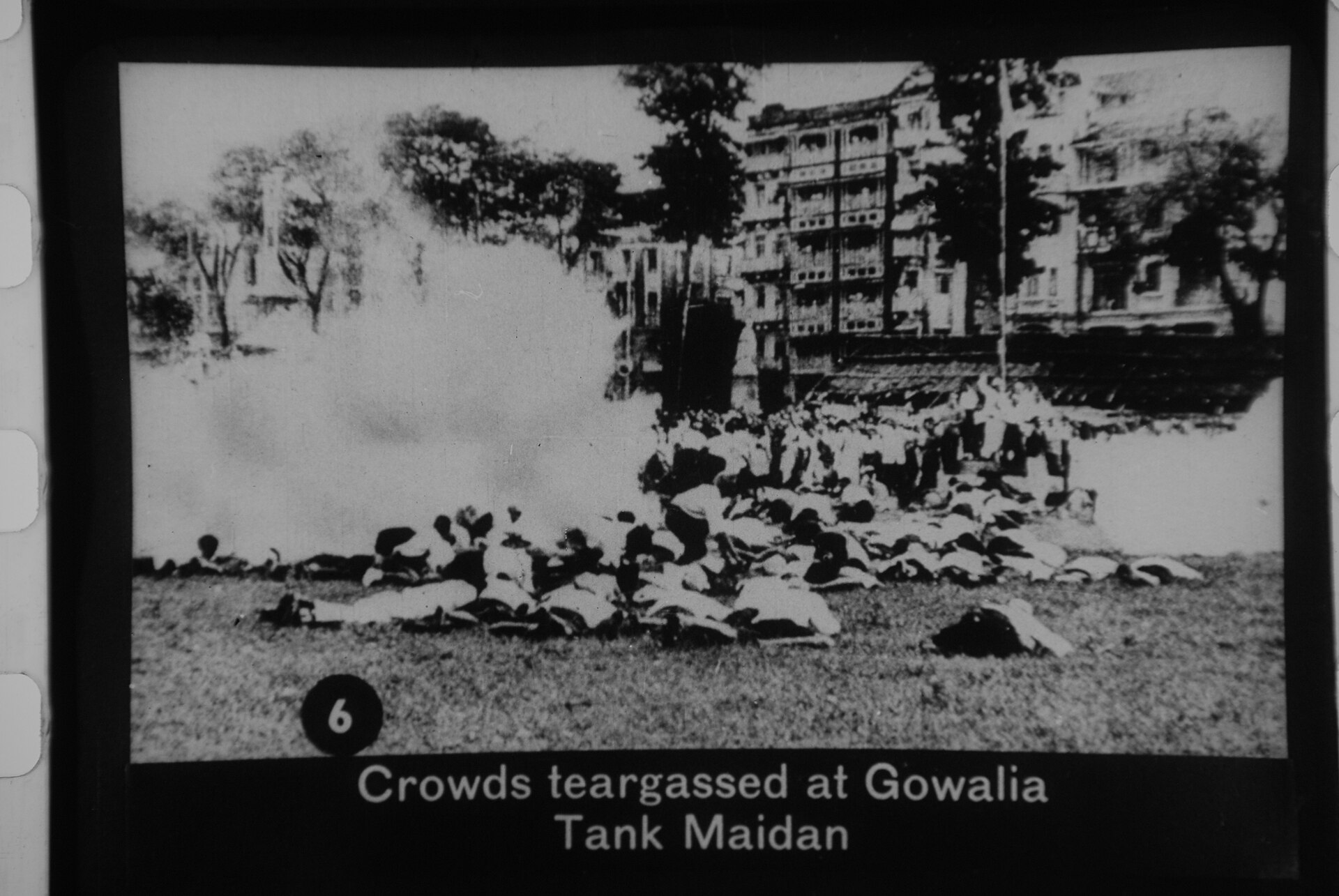
On 8 August 1942 the Congress passes the Quit India resolution at Gowalia Tank; by the next morning its leaders are jailed and the country rises.
The Cripps mission failed in April 1942 with the Japanese army on India's eastern border. On 8 August the All-India Congress Committee, meeting on the maidan at Gowalia Tank, near the college where the Congress had first met in 1885, demanded that Britain leave India at once, and Gandhi told the meeting "Do or die". Before dawn on the 9th Gandhi and the Working Committee were arrested. That morning Aruna Asaf Ali hoisted the Congress flag on the maidan, which was later renamed August Kranti Maidan, the ground of the August revolution.
With its leaders in jail the movement had no plan, and it took local forms: crowds tore up railway lines, cut telegraph wires and burned police stations, above all in Bihar and eastern United Provinces. Rebels ran parallel governments in Ballia for a few days, at Tamluk in Midnapore until 1944, and in Satara for longer; Usha Mehta ran a secret Congress radio from Bombay. The Muslim League, the Communists and the Hindu Mahasabha stayed out. Gandhi fasted for 21 days in detention in February 1943 and was released in May 1944.
Official figures counted about a thousand people killed by police and army fire in the last months of 1942, and tens of thousands arrested, more than 100,000 by some counts; Congress estimates of the dead ran from 4,000 to 10,000. The government's own pamphlet blamed the Congress for the violence, and historians disagree over how far the rising hastened the end of British rule.
- political
- colonial