The INA trials and the naval mutiny
HMIS Talwar, Colaba, Bombay
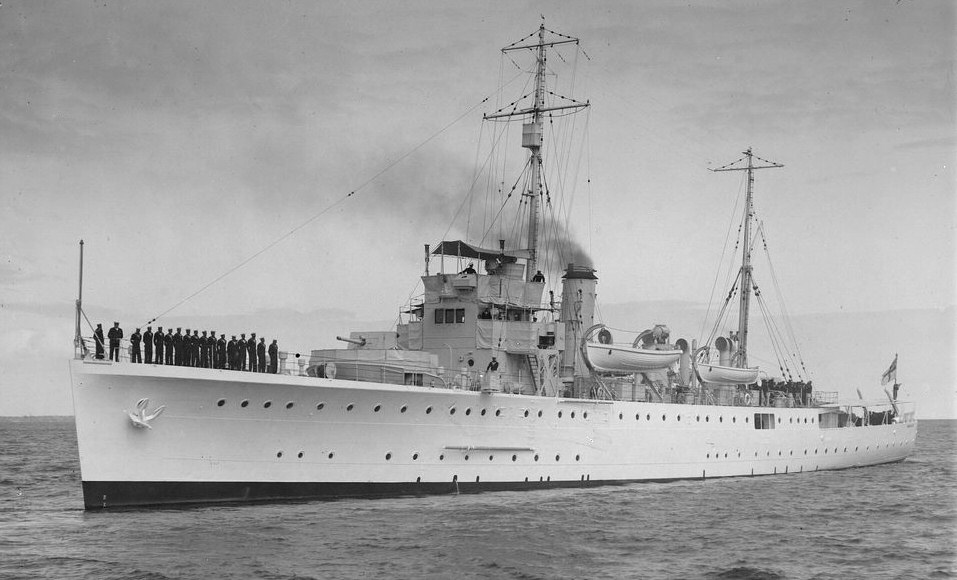
The Red Fort trials of three INA officers stir protest in 1945; in February 1946 ratings of the Royal Indian Navy mutiny at Bombay and Karachi.
In November 1945 the army court-martialled three INA officers at the Red Fort for waging war against the King: Shah Nawaz Khan, Prem Sahgal and Gurbaksh Singh Dhillon, a Muslim, a Hindu and a Sikh. The Congress defended them, with Bhulabhai Desai leading and Nehru wearing his barrister's gown for the first time in decades, and students rioted in Calcutta that month. On 31 December the court sentenced all three to be cashiered and transported for life; on 2 January 1946 the commander-in-chief, Auchinleck, confirmed the sentences but remitted the transportation.
On 18 February 1946 ratings at HMIS Talwar, the signals school at Colaba, refused duty over bad food and an officer's racial insults. Within a day the strike had spread through the ships and shore establishments of Bombay, and it reached Karachi on the 19th. Counts of those who joined run from about 10,000 to 20,000 ratings, on up to 78 ships and 20 shore establishments, and ships flew the flags of the Congress, the League and the Communist Party tied together. The strike committee's demands included the release of the INA prisoners and other political prisoners, equal pay with British sailors and the withdrawal of Indian troops from Indonesia. Bombay's workers struck in support, and in the street fighting that followed 228 civilians were killed and more than a thousand injured.
Patel for the Congress and Jinnah for the League urged the ratings to give in, and they surrendered on 23 February. The British cabinet had announced the Cabinet Mission on the 19th, the mutiny's second day; how far the mutinies, and doubt about Indian troops' loyalty, hurried Britain's exit is argued over.
- political
- war