Alauddin Khalji takes Chittor
Chittorgarh fort, Rajasthan
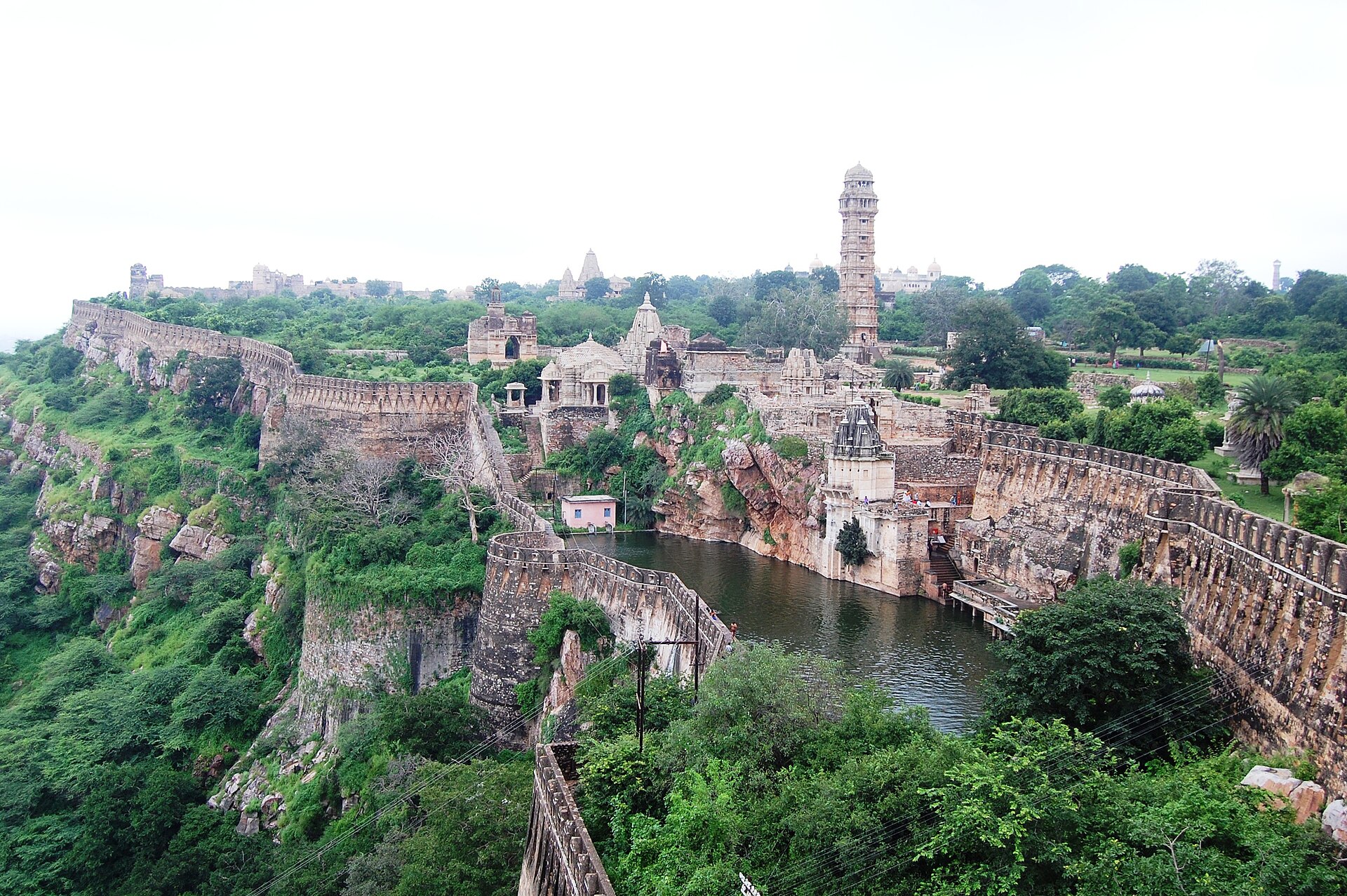
Seven months after leaving Delhi, Alauddin Khalji takes the Guhila fortress of Chittor on 26 August 1303, extending the Sultanate into Mewar.
Alauddin marched from Delhi at the end of January 1303 and entered the fort on 26 August. Amir Khusrau, who was with the army, says the Rana fled and then surrendered, that the Sultan ordered some 30,000 people killed, and that he renamed the fort Khizrabad after his son. In the same years Alauddin threw back repeated Mongol invasions of the Punjab and the Delhi region, and fixed grain and market prices in the capital so that he could keep a large standing army on modest pay.
His general Malik Kafur then took Delhi's armies further south than any before them: to Devagiri, to the Kakatiya capital Warangal in 1310, and into the Hoysala and Pandya countries in 1311. These campaigns mostly brought tribute rather than direct rule, but they opened the way for the annexation of Devagiri in 1318 and the Tughluq conquests of the 1320s.
The best-known story of Chittor, that Alauddin besieged it to seize Queen Padmini and that the fort's women burned themselves rather than be taken, comes from Malik Muhammad Jayasi's poem Padmavat of 1540, and most historians treat it as legend. Khusrau, Barani and Isami, writing within decades of the siege, do not mention her.
- war
- political